
Tsudoi 2026
“The bird that leaves its nest must one day return with something to strengthen it.”
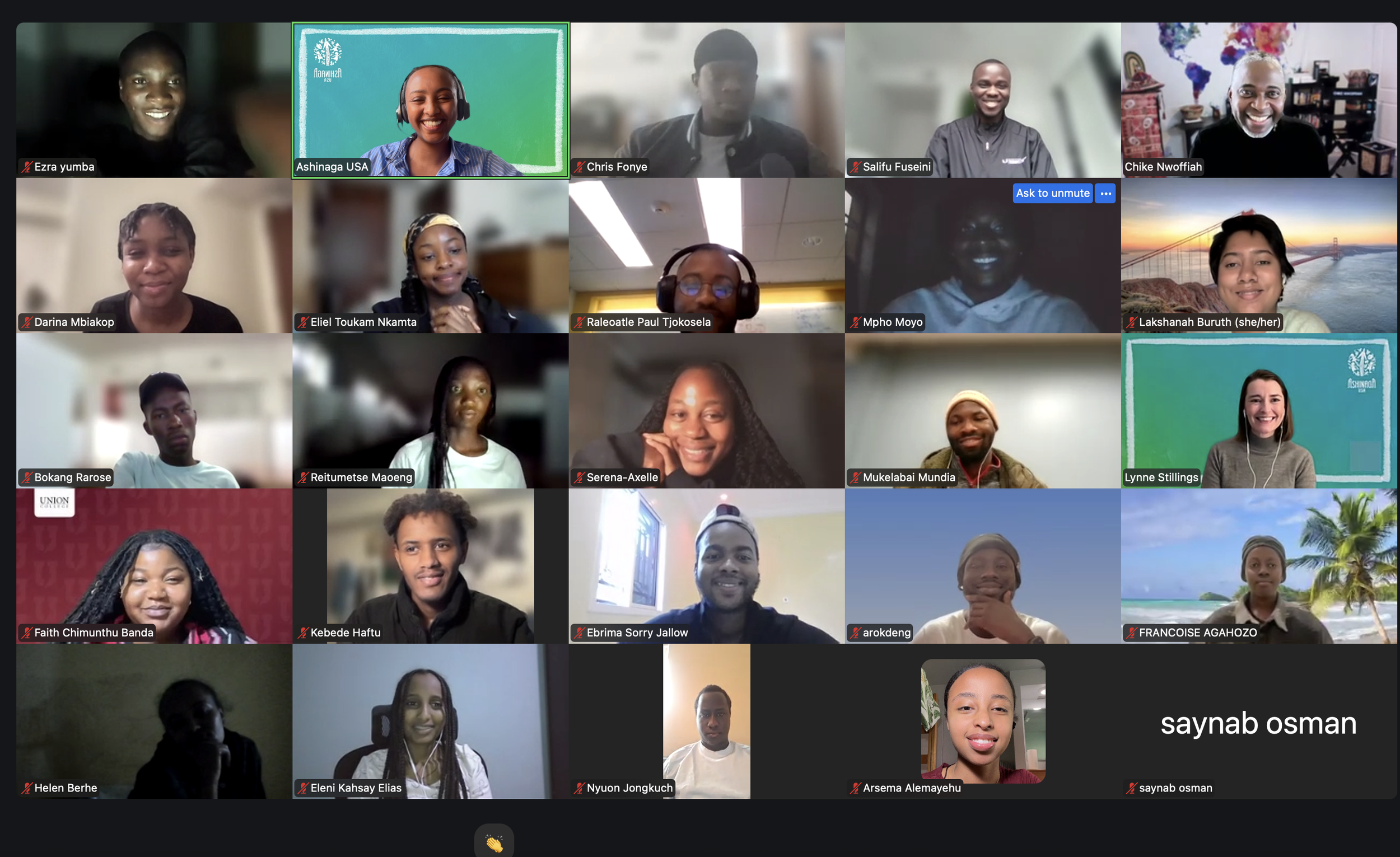
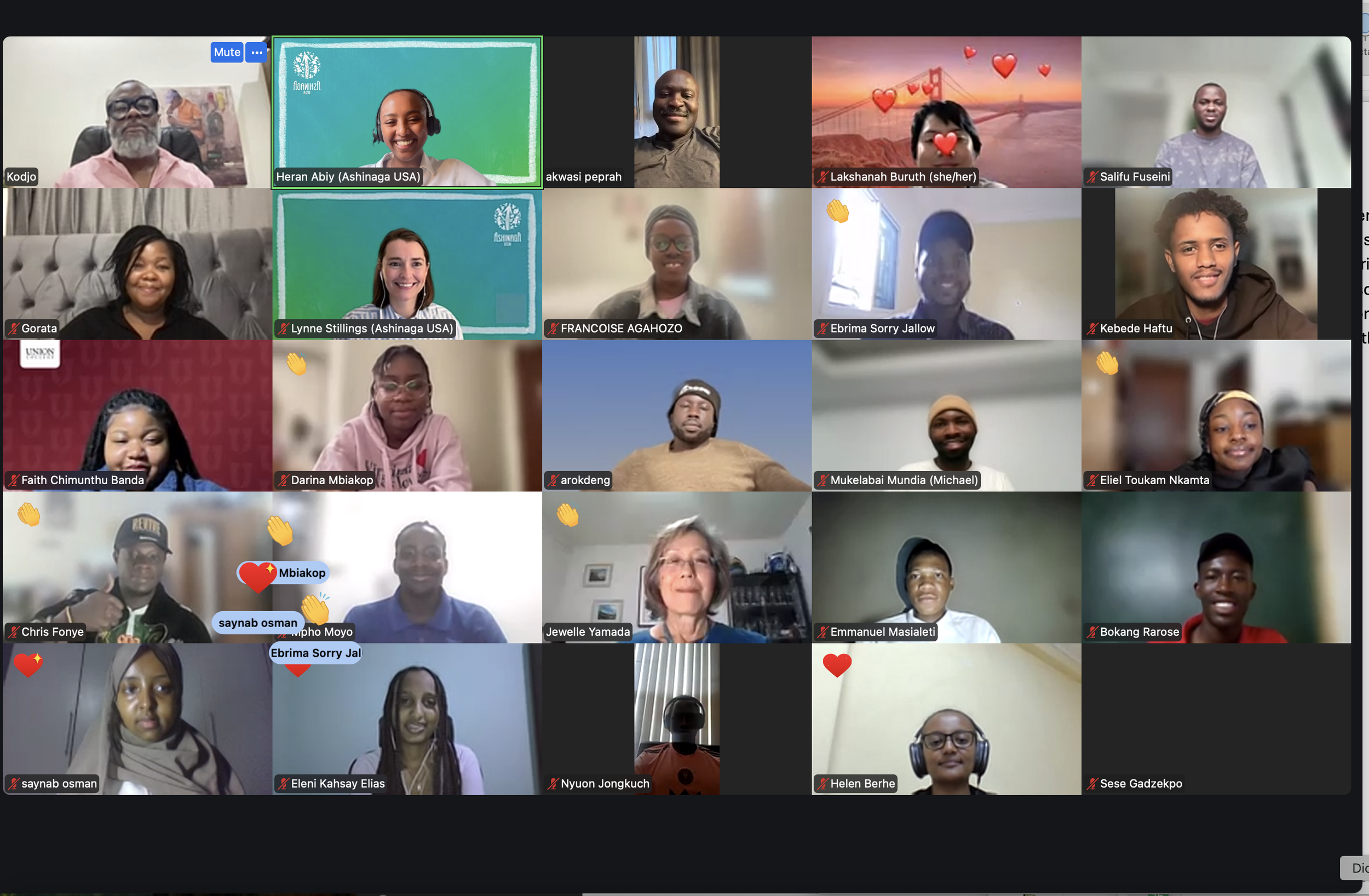
This year, Ashinaga USA hosted our 9th Tsudoi Student Conference, which means “friendly gathering” in Japanese. Every year, our Ashinaga Africa Initiative (AAI) candidates, scholars, graduates, and special speakers gather for a three-day virtual conference. Every year, we look forward to Tsudoi as it’s a time to connect, discuss, and reflect on the year ahead and students’ experiences in the Ashinaga program thus far. Each Tsudoi revolves around a carefully selected theme. This year, we convened online to discuss the theme “Navigating Between Local Roots and Global Exposure: Bridging Worlds, From Access to Impact.”
We were honored to welcome an inspiring line-up of guest speakers, including coaches from LinkedIn, Ashinaga program graduates, Ashinaga Board Members, Fatou Jeng, a Forbes 30 Under 30 (2025), Founder of Clean Earth Gambia, and former Climate Advisor to the United Nations Secretary-General, and Chike Nwoffiah, award-winning filmmaker and Founding Director of the Silicon Valley African Film Festival.
Theme
This year’s theme, “Navigating Between Local Roots and Global Exposure: Bridging Worlds, From Access to Impact,” encouraged students to reflect on responsibility, stewardship, and how global education can translate into meaningful, community-centered impact across Africa. Discussions explored how students’ cultural roots, values, and lived experiences remain central as they pursue higher education and global opportunities.
Day One
Day one of Tsudoi kicked off with some icebreakers, student introductions, and fun warm-up activities.
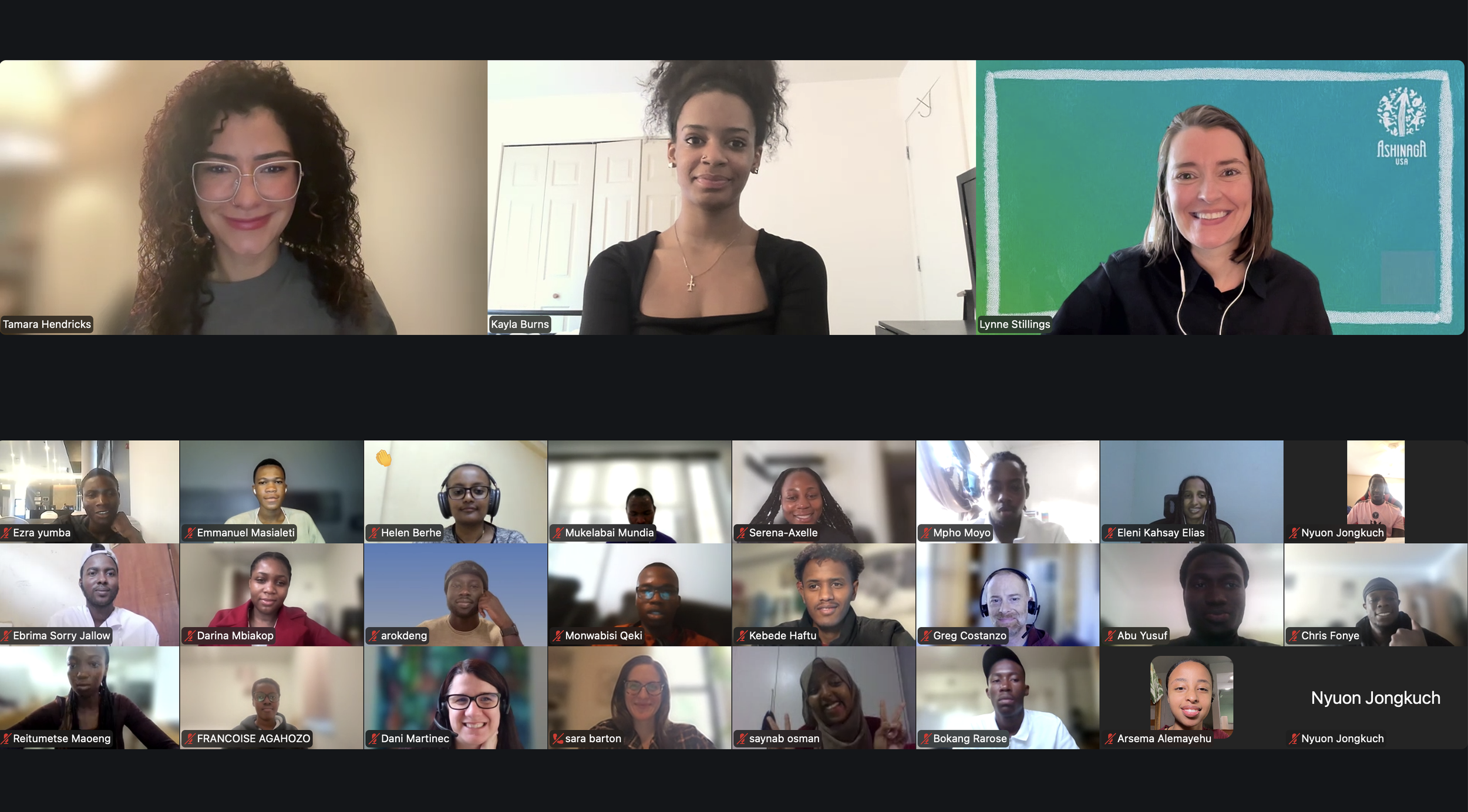
LinkedIn Session
The first session featured LinkedIn and LinkedIn coaches, focusing on how students can leverage and strengthen their LinkedIn profiles while making full use of the platform’s tools. The session was led by Tamara Hendricks, a Learning and Development leader at LinkedIn, and Kayla Burns, a Senior Sales Development Representative at LinkedIn.
Students were given a deep dive into how to use LinkedIn’s AI-powered features effectively.
One of our Ashinaga Scholars, Serena shared:
“LinkedIn used to feel quite intimidating to me. However, my conversation with Tamara helped me understand how to leverage the networking opportunities the platform offers. She also explained the various features LinkedIn provides, such as courses and recommendations. Something that Tamara said that really stuck with me was: “When you connect, always say why and the purpose. I’ve started applying this in my connections, and it has already made them much more productive.”
Ashinaga Graduates Panel
Following the LinkedIn sessions, we transitioned to a panel discussion with Ashinaga program graduates who have successfully progressed through the program, students who have completed their university studies and are now working across various sectors, or pursuing graduate degrees.
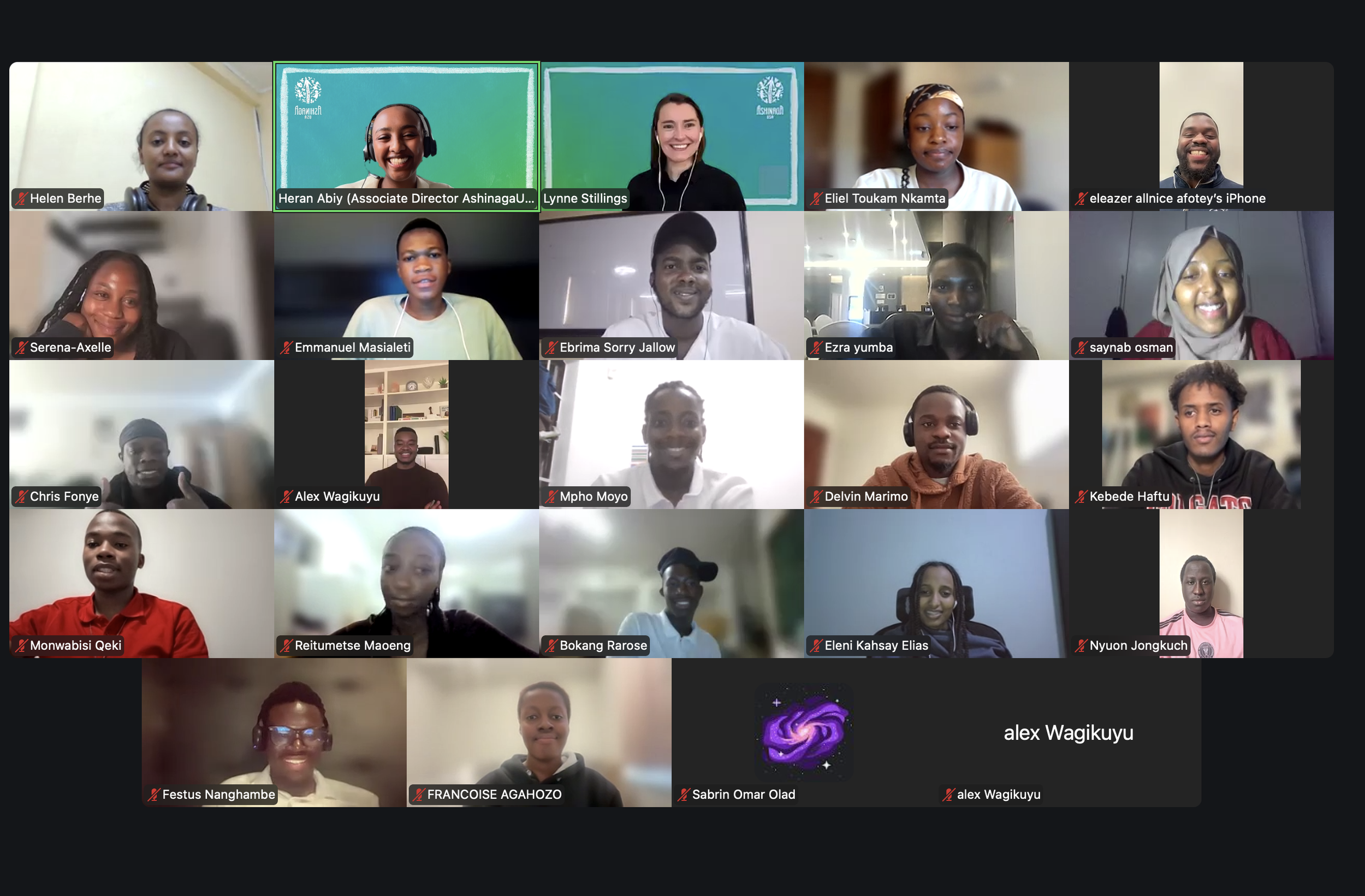
Ashinaga graduates Festus Nanghambe, Eleazer Allnice, Alex Wagikuyu, and Delvin Marimo joined a panel discussion to share reflections on their academic journeys, career paths, and lessons learned after completing the program.
Raleoatle shared:
“The graduates were truly inspiring. Hearing about their experiences and where they are now in life has given me motivation. And hopefully I'll sit on a graduate panel someday talking to scholars as well.”
Day Two
Fatou Jeng
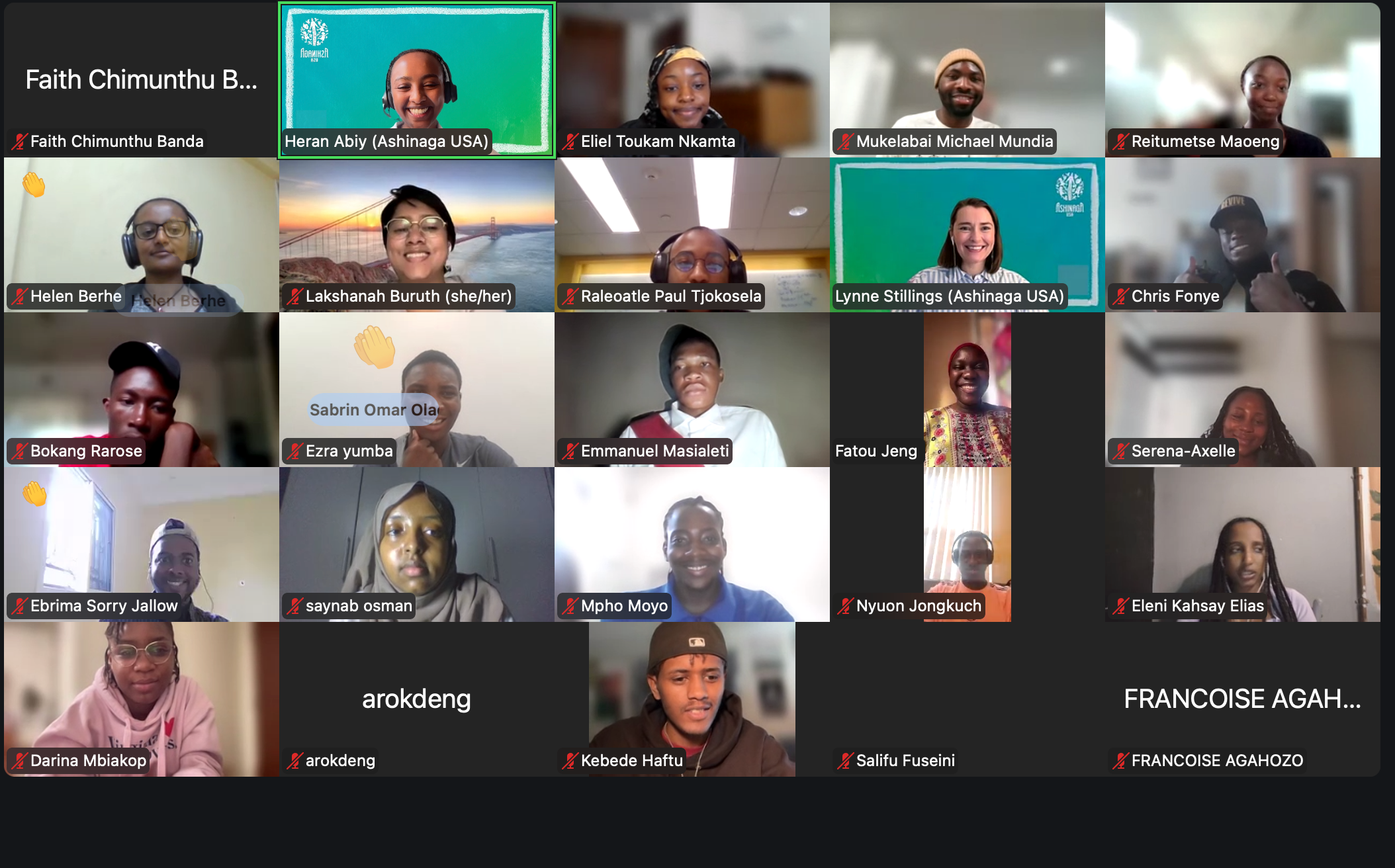
Day two, we were joined by Fatou Jeng and Ashinaga’s Board. Fatou Jeng, Founder of Clean Earth Gambia and a Forbes 30 Under 30 honoree, delivered a keynote highlighting her journey from student leader to climate advocate. She emphasized the importance of returning home after global education to create meaningful community-driven change.
Fatou shared her journey as the founder of Clean Earth Gambia, a leading youth-led organization advancing climate justice through education, advocacy, environmental restoration, and gender-responsive solutions.
Under Fatou’s leadership, Clean Earth Gambia has reached more than 45,000 beneficiaries and supported the planting of over 35,000 trees across the country.
During her keynote, Fatou shared details of her personal academic journey, studying journalism and digital media at the University of The Gambia before completing a master’s degree at the University of Sussex in the United Kingdom. She emphasized her decision to return to The Gambia after her studies to apply her global exposure toward creating meaningful, community-driven change at home, an experience that resonated deeply with students.
Following the session, students shared their reactions following Fatou Jeng’s keynote, highlighting the impact of her message:
Eliel shared, “Start small and put your heart into whatever you do.”
Michael reflected, “I marveled at how much she has accomplished. It was powerful to be reminded that everyone is born with a purpose and potential to unleash into the world.”
Following Fatou’s words, we transitioned into our Board Meet and Greet. Ashinaga Board Members hosted breakout group sessions to share insights from their career journeys and answer students’ questions about work, networking, Ashinaga proposals, and career pathways. The session also created space for Board Members and students to get to know one another, while offering students a deeper understanding of Ashinaga’s inner workings.
Day Three
Kokorozashi & Impact Workshop
On our final day of Tsudoi, students participated in an Impact Workshop. The impact workshop is designed to help students begin making progress in Ashinaga Proposals and to provide them with the opportunity to reflect on their Kokorozashi. Kokorozashi is defined as “one's guiding mission or purpose”. It is the impact that you want to make in society. The workshop provides students with a structured space to reflect (both individually and then, collectively) on who they are and how they want to have an impact.
Day Three
Chike C. Nwoffiah: Beyond Diplomas: Decolonizing the African Mind for Transformational Leadership
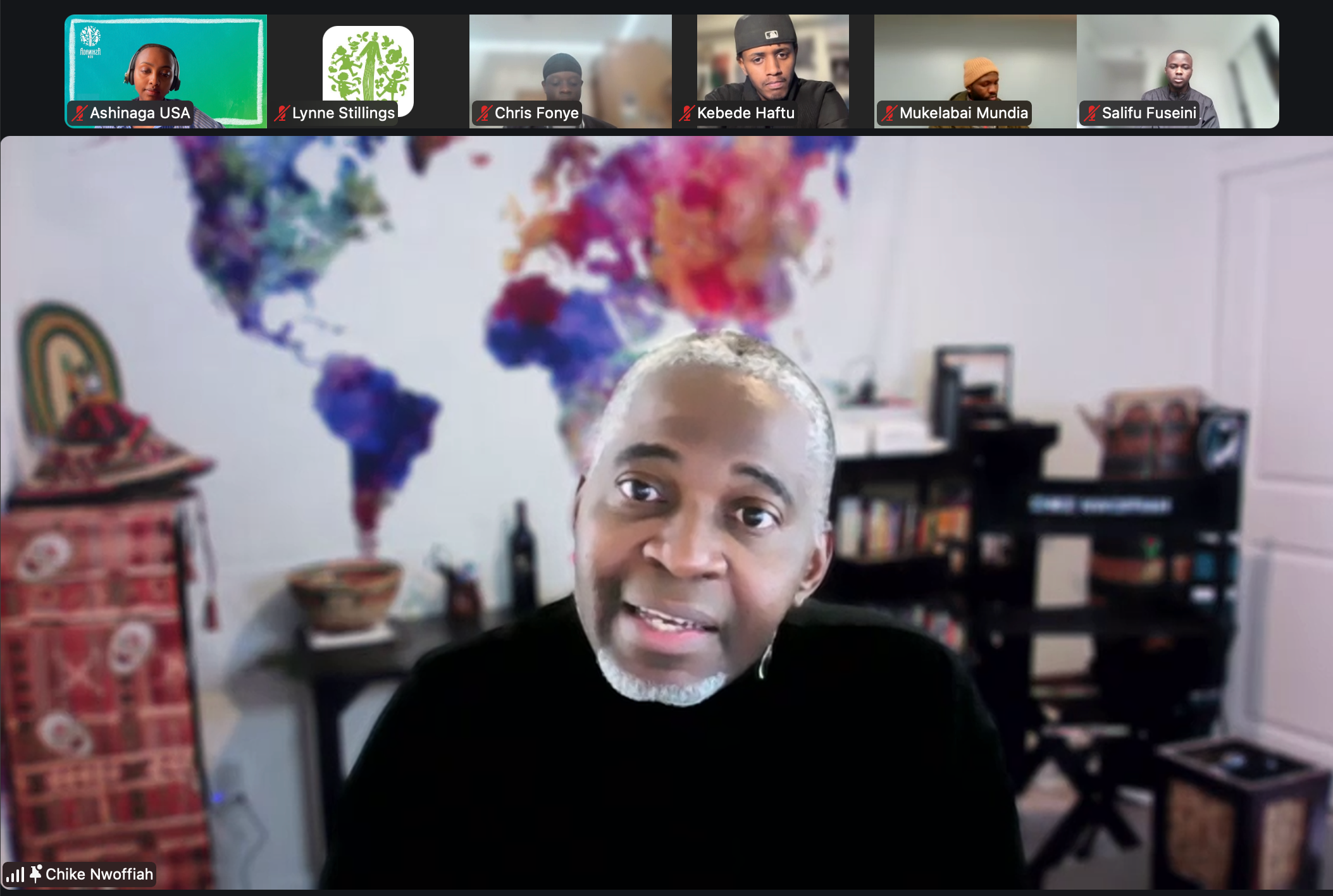
The final session was led by Chike C. Nwoffiah, educator, filmmaker, and founding director of the Silicon Valley African Film Festival. His talk, “Beyond Diplomas: Decolonizing the African Mind for Transformational Leadership,” encouraged students to rethink leadership through African values, cultural confidence, and service. Chike is also an Ashinaga USA Board Member. Chike’s session challenged students to look beyond academic credentials and consider the deeper inner work of mental emancipation, cultural confidence, and ethical responsibility as foundations for community, African-led community development.
Drawing from African philosophy, indigenous knowledge systems, and his own lived experience across global innovation spaces, Nwoffiah emphasized that true leadership is not defined by degrees alone, but by a commitment to service and dignity. Chike encouraged scholars to return to Africa not as imitators of Western models, but as servant leaders equipped to reimagine development through African values, reclaim narrative power, and translate global knowledge into locally grounded solutions that uplift their communities and, in return, Africa and the world.
Current Ashinaga scholars resonated deeply with Chike C. Nwoffiah’s session.
Michael noted, “My biggest takeaway was that African development does not rest solely on socio-economic intervention, but fundamentally on psychology. His discussion of language and cultural assimilation during the colonial era helped me understand my relationship with my culture and language, and how I can now uphold my roots with pride.”
Christopher shared, “This was one of my favorite sessions at Tsudoi. I felt inspired to create change and to work hard not just for myself, but for my home and my country.”
Serena reflected, “I truly enjoyed Chike’s session. He emphasized the importance of telling our stories as Africans and challenging harmful stereotypes. What resonated most with me was his focus on going ‘Beyond Diplomas’, reminding us that excellence is not just academic but also rooted in redefining what it means to contribute meaningfully to Africa’s growth.”
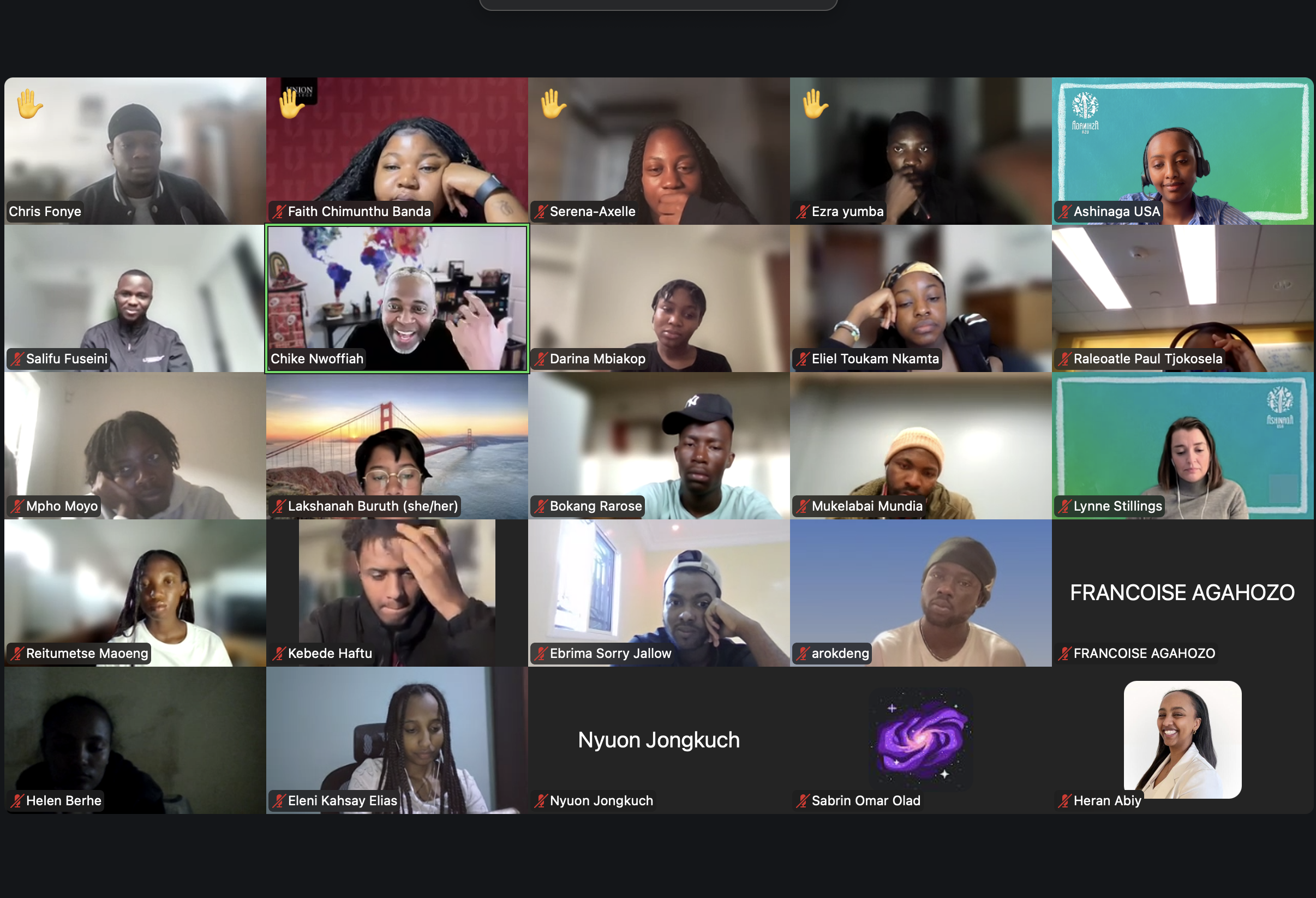
After three days of learning and listening to inspiring guests, students were reminded that education continues beyond a degree. Education and learning are lifelong pursuits. Our students were able to reflect on their respective Kokorozashi’s, education as a tool for meaningful change, responsibility, and service. We appreciate our guest speakers, coaches, graduates, and Board Members for sharing their wisdom.